
Summary
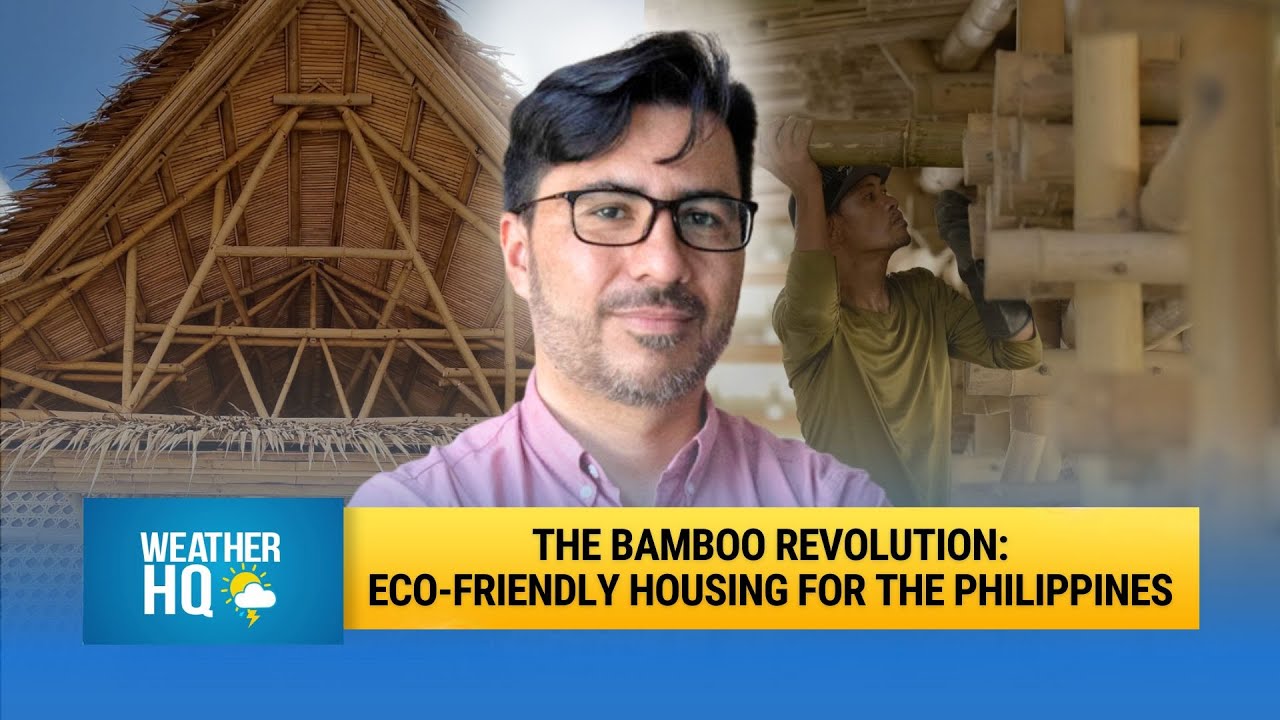
The **BASE Bahay Foundation** is spearheading a transformative approach to housing in the Philippines, utilizing bamboo as a sustainable alternative to traditional construction materials. With over **1,500 bamboo homes** built, the foundation's innovative **Cement-Bamboo Frame Technology** has shown remarkable resilience against extreme weather, including typhoons and earthquakes. This initiative not only addresses the country’s **6.57 million housing deficit** but also aims to reduce the construction industry's carbon footprint, which contributes **38%** of global emissions. As bamboo gains recognition for its strength and sustainability, the foundation's efforts are reshaping perceptions and practices in the construction sector.
Key Takeaways
- Bamboo is gaining recognition as a sustainable alternative to traditional construction materials.
- BASE Bahay Foundation has built over 1,500 bamboo homes that withstand extreme weather.
- The foundation's technology combines bamboo with concrete for enhanced durability.
- Bamboo construction can reduce housing costs by 20-30% compared to conventional materials.
- The initiative addresses both housing deficits and the environmental impact of construction.
Balanced Perspective
BASE Bahay Foundation's approach to using bamboo for housing addresses two significant issues: the housing deficit in the Philippines and the environmental impact of traditional construction. The foundation has successfully built over **1,500 homes**, with many surviving extreme weather events. However, while bamboo's strength and sustainability are highlighted, it is essential to consider the challenges of scaling this model across diverse regions with varying climates and economic conditions. The foundation's technology combines bamboo with concrete, which may not be universally applicable in all contexts.
Optimistic View
The potential of bamboo as a building material is exciting, particularly in the context of climate change and housing shortages. **Luis Felipe Lopez**, the general manager of BASE Bahay Foundation, emphasizes that bamboo can reduce construction costs by **20-30%** while providing durable homes that withstand natural disasters. This initiative not only supports local economies by creating treatment facilities but also promotes sustainable practices that could inspire similar movements globally. As the foundation expands its reach, it could pave the way for a broader acceptance of bamboo in construction, potentially transforming the industry.
Critical View
Despite the promising aspects of bamboo construction, there are inherent risks and limitations. The reliance on bamboo, while renewable, raises concerns about sustainability if not managed properly. The treatment processes against pests and the need for proper harvesting at maturity add complexity to the construction model. Additionally, while the **Cement-Bamboo Frame Technology** shows resilience, it may not be a one-size-fits-all solution for all types of extreme weather or geological conditions. Critics may argue that the focus on bamboo could detract from exploring other innovative materials and methods that could also address housing and climate challenges.
Source
Originally reported by Bilyonaryo Business News